TL;DR:
- Faculty branded merchandise strengthens community and brand advocacy through functional, daily-use items. Distributing these products during key campus events maintains emotional connections and long-term exposure. High-quality, purposeful merchandise enhances faculty reputation and institutional brand equity effectively.
Faculty branded merchandise is defined as physical, institution-branded items produced specifically to represent a university’s faculties, departments, and academic identity. It is one of the most direct tools a university has for building genuine community, and branded merchandise recipients show a 90% recall rate for the brand name, outperforming digital advertising in sustained attention. That figure alone tells you why faculty branded merchandise matters well beyond a tote bag at orientation. When merchandise is chosen and distributed with purpose, it turns everyday objects into signals of belonging, pride, and institutional loyalty that follow students and staff long after they leave campus.
Why faculty branded merchandise matters for engagement
Faculty branded merchandise works because it meets three core psychological needs: relatedness, competence, and belonging. When students and staff carry or wear items that represent their faculty, they signal membership in something meaningful. That signal reinforces identity every time the item is used.
Research published in the International Journal of Marketing Studies confirms this effect. A study of 327 students found that satisfaction with faculty competence and relatedness directly increases willingness to advocate for professors and their institutions. Advocacy is not a passive outcome. It means students recommend the institution to peers, defend its reputation publicly, and remain emotionally invested in its success.
Merchandise extends this connection beyond the physical campus. Shoichi Maeda, Dean of the Graduate School of Health Management at Keio University, explains that merchandise serves as daily necessities that reinforce community identity. A branded laptop sleeve used in a café, a faculty mug on a home desk, or a university hoodie worn on a weekend all carry the institution’s identity into personal spaces where no marketing campaign can reach.
The practical implication for university administrators is clear. Merchandise is not a one-time activation. It is an ongoing communication channel that keeps the faculty present in people’s daily lives.
- Belonging: Branded items signal group membership and reinforce shared identity across student and staff cohorts.
- Competence: Quality merchandise communicates that the faculty takes its brand seriously, which reflects on academic standards.
- Advocacy: Students who feel connected to faculty are more likely to recommend the institution and defend its reputation.
- Continuity: Items used daily extend brand exposure far beyond campus events or formal communications.
Pro Tip: Distribute merchandise at moments of peak emotional connection, such as enrolment confirmation, first week of semester, or graduation, when recipients are most likely to form lasting associations with the item.
What types of faculty merchandise build the strongest school spirit?
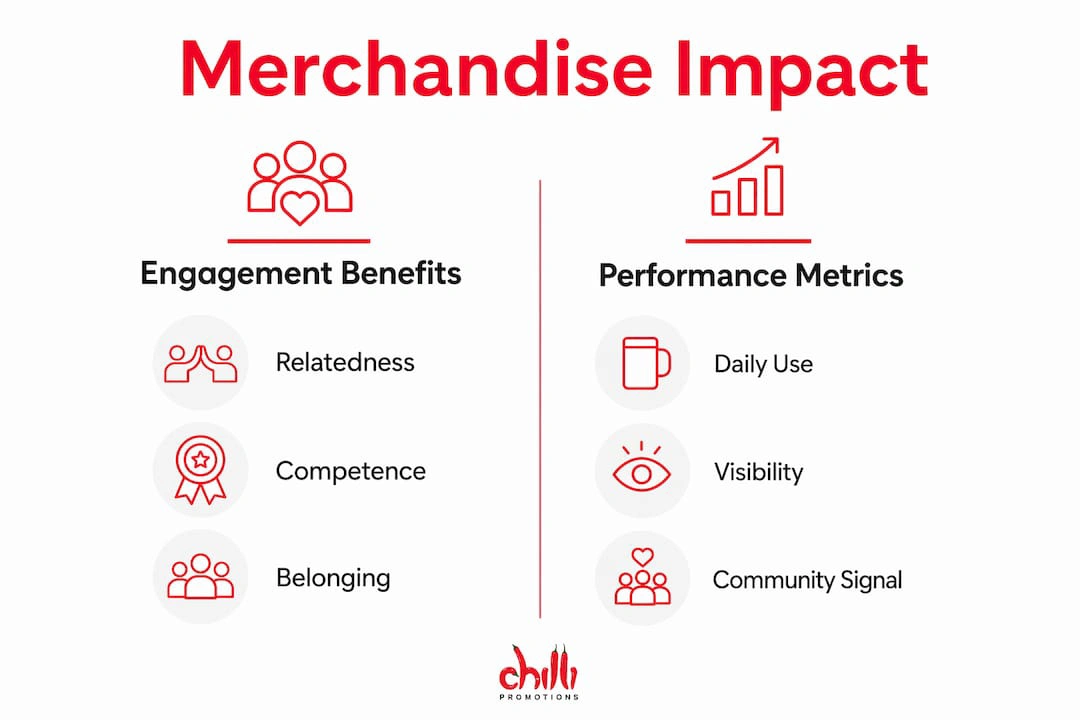
The shift from novelty giveaways to functional, daily-use items is the single biggest change in university merchandise strategy over the past decade. Pens and keyrings still have a place, but the items that build lasting school spirit are the ones people actually use every day.
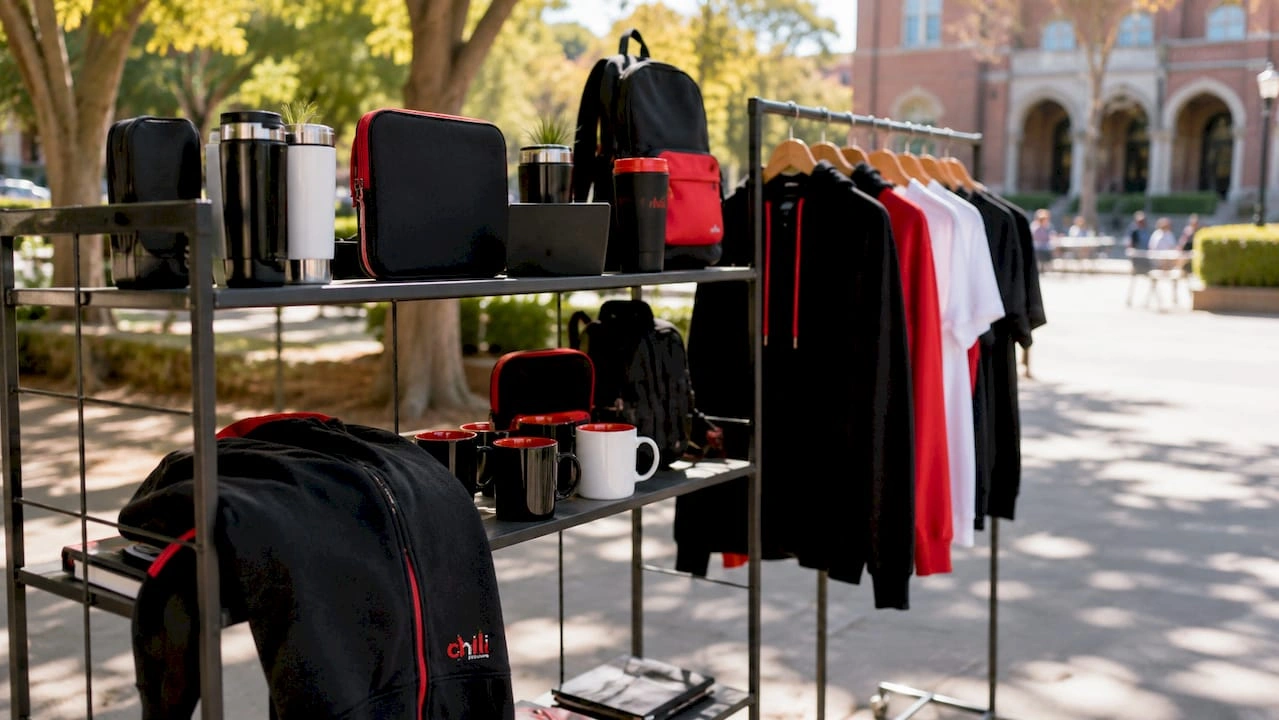
Universities across Australia and the United States have moved towards tech accessories and practical items such as laptop sleeves, tablet cases, branded mugs, and quality tote bags. These items become long-lasting brand touchpoints that carry institutional identity into professional and personal environments. A laptop sleeve branded with a faculty crest travels to workplaces, libraries, and coffee shops. Its daily visibility generates brand exposure that a digital ad cannot replicate.
The Prairie View A&M University case demonstrates what happens when merchandise aligns with campus storytelling. A 2026 case study showed growth from single-item sales to full merchandise collections tied directly to campus events, traditions, and community narratives. Demand grew because the items meant something. They were not generic products with a logo. They were artefacts of a specific community’s story.
The table below outlines how different merchandise categories perform across key engagement criteria.
| Merchandise category | Daily use frequency | Brand visibility | Community signal strength |
|---|---|---|---|
| Tech accessories (laptop sleeves, cables) | High | High | Strong |
| Drinkware (mugs, drink bottles) | High | Medium | Strong |
| Apparel (hoodies, caps) | Medium | Very high | Very strong |
| Stationery (notebooks, pens) | Medium | Low | Moderate |
| Novelty items (keyrings, stress balls) | Low | Low | Weak |
Pro Tip: When building a faculty merchandise collection, anchor it around two or three hero items with high daily use. Add seasonal or event-specific pieces to create collectability and sustained interest throughout the academic year.
How does branded merchandise build faculty and institutional brand equity?
Professor brand equity is the perceived value students and the broader community attach to a faculty member’s academic identity and reputation. Research published in 2026 confirms that student satisfaction and trust are the primary drivers of this equity, not external reputation or media profile. This finding has direct implications for how merchandise programmes should be designed.
Merchandise that reflects genuine faculty values, academic culture, and community pride reinforces the trust students already hold. It does not manufacture credibility. It amplifies what already exists. A faculty that produces quality, thoughtful merchandise signals that it respects its community enough to invest in meaningful touchpoints.
The role of merchandise in marketing extends this logic to institutional brand equity. When a university’s faculties each present a coherent, well-designed merchandise identity, the cumulative effect strengthens the parent institution’s brand. Prospective students, industry partners, and alumni all read these signals.
Merchandise also functions as a communication medium between faculty and students. Consider the following ways branded items reinforce brand equity:
- Quality signals standards: A well-made, thoughtfully designed item communicates that the faculty holds itself to a high standard.
- Consistency builds recognition: Merchandise that uses consistent colours, typography, and messaging reinforces visual identity across every touchpoint.
- Personalisation deepens connection: Items tailored to specific faculties, cohorts, or milestones feel more meaningful than generic institutional merchandise.
- Longevity sustains exposure: Durable items remain in use for years, generating brand impressions long after the initial distribution.
Best practices for integrating faculty merchandise into university marketing
A merchandise programme that runs as a series of ad hoc giveaways will always underperform one that is built into the university’s broader engagement calendar. The difference between the two is not budget. It is planning.
The most effective programmes use micro-drop distribution and tiered access to maintain perceived value. Releasing limited quantities of specific items at key moments creates demand and makes each piece feel like a genuine token of belonging rather than a bulk handout. This approach also prevents the devaluation that comes from flooding the campus with identical items.
Synchronising merchandise launches with the academic calendar is non-negotiable for sustained impact. The following sequence works consistently well across university contexts:
- Orientation week: Include branded tech accessories or quality drinkware in welcome kits. First impressions set the tone for the entire student relationship.
- Faculty onboarding: Provide new academic staff with branded onboarding kits that include functional items. This signals professional standards and builds institutional pride from day one.
- Mid-semester events: Release event-specific merchandise tied to open days, research showcases, or faculty milestones. Limited runs create collectability.
- Homecoming and graduation: Deploy apparel and keepsake items that mark significant transitions. These items carry the strongest emotional associations and are kept the longest.
- Annual refresh: Update at least one core merchandise item each year to reflect current faculty priorities, sustainability commitments, or design evolution.
Successful programmes also evolve with institutional priorities and community needs. A programme that looked right in 2020 may not reflect the faculty’s current values or student expectations. Build in an annual review that assesses product quality, distribution effectiveness, and community feedback.
Pro Tip: Tier your merchandise by stakeholder. Students, academic staff, and industry partners each have different relationships with the institution. A branded item that resonates with a first-year student may not carry the same weight for a senior researcher or a corporate partner.
Key takeaways
Faculty branded merchandise builds lasting community engagement when it is functional, purposeful, and distributed at moments of genuine emotional connection.
| Point | Details |
|---|---|
| Merchandise drives advocacy | Students satisfied with faculty relationships are more willing to advocate for the institution publicly. |
| Functional items outperform novelties | Daily-use products like tech accessories and drinkware generate sustained brand exposure. |
| Event alignment amplifies impact | Synchronising merchandise with orientation, homecoming, and graduation maximises emotional resonance. |
| Brand equity depends on quality | Well-made, consistent merchandise signals that the faculty values its community and holds itself to high standards. |
| Micro-drops maintain perceived value | Limited, targeted releases prevent devaluation and make merchandise feel like meaningful tokens of belonging. |
The Chilli Promotions team’s view on faculty merchandise strategy
The conversation around faculty merchandise has shifted considerably over the past few years, and not just because of changing student expectations. Universities are finally treating merchandise as a strategic communication tool rather than a line item in the events budget.
What we have observed working with institutions across Australia is that the programmes generating the strongest results share one characteristic: they are built around the community’s story, not the institution’s logo. The logo matters, but it is the context around it that creates meaning. A hoodie from Prairie View A&M University carries weight because it represents a specific community’s pride and history. A generic branded polo does not carry the same charge, regardless of how good the embroidery is.
The uncomfortable truth about faculty merchandise is that most programmes underperform because they prioritise cost per unit over purpose per item. Buying 500 cheap pens is not a merchandise strategy. It is a procurement decision dressed up as marketing. The institutions seeing real engagement gains are the ones asking a different question: what item would a student or staff member genuinely want to own and use every day?
Balancing tradition and current relevance is also worth taking seriously. Faculties with long histories have visual assets and stories that newer institutions cannot replicate. Leaning into that heritage through merchandise design, whether through archival typography, historical colour palettes, or milestone-specific collections, creates items that feel genuinely collectible rather than disposable.
— Chilli Promotions Team
Chilli Promotions and faculty merchandise for Australian universities
Universities that want merchandise programmes built around genuine community impact need a partner who understands both the product and the purpose behind it.
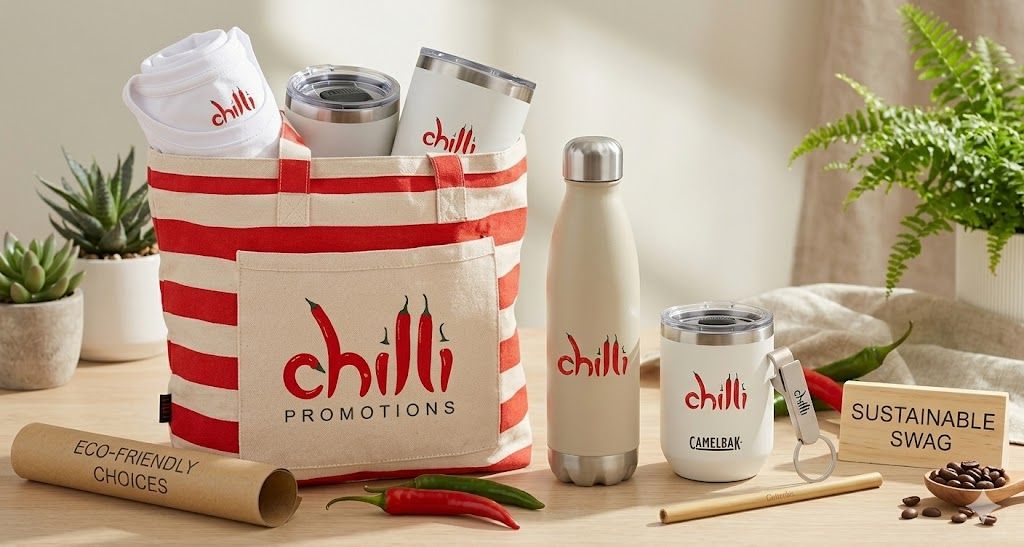
Chilli Promotions has worked with educational institutions across Australia and New Zealand since 2001, developing promotional products for higher education that go well beyond standard giveaways. From branded tech accessories and quality drinkware to full faculty merchandise collections tied to campus events, the team brings both product expertise and programme thinking to every brief. Whether you are building an onboarding kit for new academic staff or launching a faculty-wide merchandise range, Chilli Promotions can help you select items that carry genuine meaning. Explore the top promotional products for universities or get in touch to discuss a tailored merchandise programme for your faculty.
FAQ
Why does faculty branded merchandise matter for school spirit?
Faculty branded merchandise creates tangible symbols of institutional identity that students and staff carry into their daily lives. Research shows that strong faculty-student relationships increase willingness to advocate for the institution, and quality merchandise reinforces those connections continuously.
What merchandise items work best for university faculties?
Functional, daily-use items such as laptop sleeves, branded mugs, and quality apparel generate the strongest and most sustained brand exposure. Novelty items have low daily use and weak community signal strength compared to practical products.
How should universities distribute faculty merchandise?
Micro-drop distribution tied to key academic calendar moments, such as orientation, faculty onboarding, and graduation, maintains perceived value and maximises emotional impact. Flooding the campus with identical items at once reduces the sense of meaning attached to each piece.
How does merchandise contribute to professor brand equity?
Student satisfaction and trust are the primary drivers of professor brand equity, and quality merchandise reinforces both by signalling that the faculty invests in its community. Consistent, well-designed items also build visual recognition that supports the broader institutional brand.
How often should a university update its faculty merchandise range?
An annual review and refresh of at least one core merchandise item keeps the programme relevant and reflects evolving faculty priorities. Successful programmes evolve with institutional needs rather than running the same product range year after year.