TL;DR:
- In 2026, promotional merchandise emphasizes sustainability, retail-quality standards, and minimalist branding. Tech essentials, premium apparel, and sustainable drinkware dominate, offering daily utility to recipients. Sustainability verification and rapid, transparent sourcing have become essential to win large tenders and boost brand retention.
Promotional merchandise in 2026 is defined by three forces: sustainability as a baseline requirement, retail-quality product standards, and minimalist branding that earns daily use. Australian recipients show 81% brand recall and 84% advocacy for promotional products, proving the channel delivers. Yet only 29.4% of small-to-medium Australian businesses maintain a formal promotional product budget. That gap represents a real competitive advantage for marketing professionals who plan deliberately. Chilli Promotions has tracked these shifts since 2001, and the direction is clear: quality, purpose, and transparency now determine which branded items get kept and which get binned.
1. Which promotional merchandise categories will dominate in 2026?
High-utility tech essentials, premium commuter apparel, and wellness drinkware lead Australian corporate merchandise strategies in 2026. Each category earns its place because it solves a daily problem for the recipient. Products that solve problems get used, and products that get used deliver ongoing brand exposure.
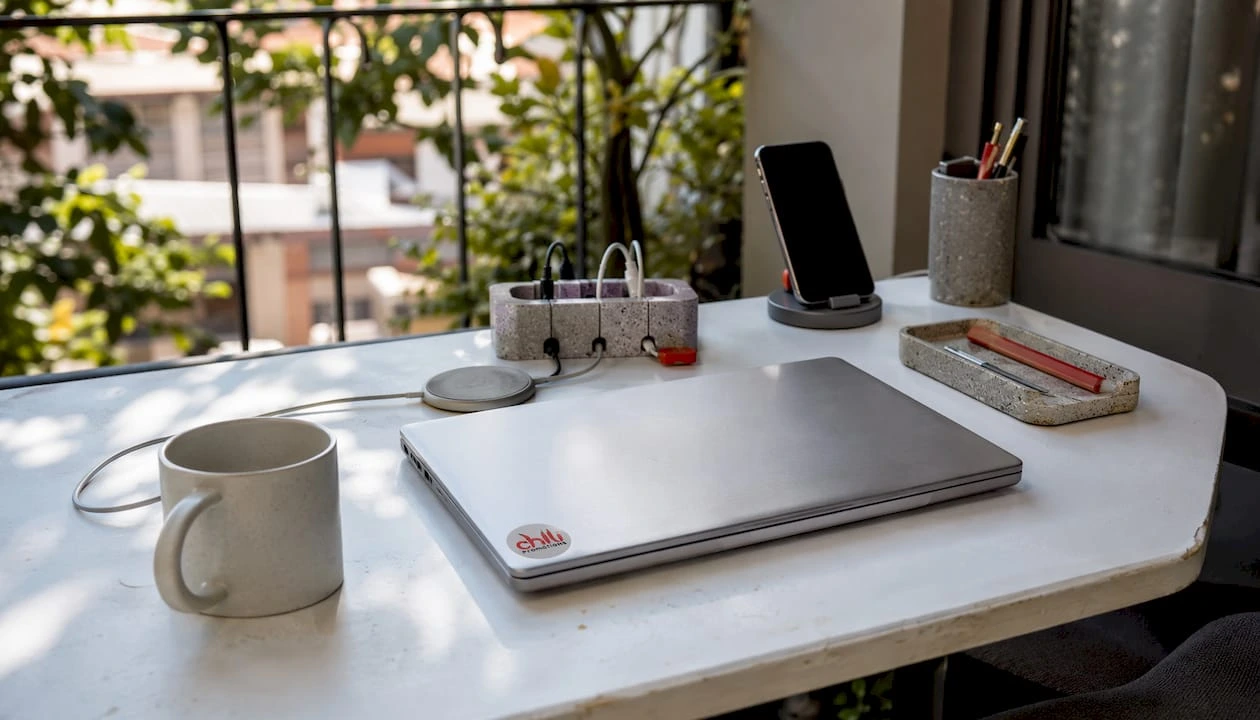
Tech essentials for hybrid workers
Wireless charging pads, cable organisers, and sustainable desk accessories align directly with Australia’s hybrid workforce. A branded wireless charger sits on a desk every day. That daily contact builds brand familiarity far more effectively than a novelty item that ends up in a drawer.
Premium commuter and lifestyle apparel
Weatherproof backpacks and organic cotton tote bags offer high surface area for branding and travel with recipients into public spaces. Organic cotton wear, in particular, signals environmental awareness without requiring a label explanation. Recipients wear it because it looks and feels good, not because it was free.
Wellness and sustainable drinkware
Double-walled vacuum-insulated bottles and glass infuser mugs dominate the drinkware category. They support corporate wellness initiatives and replace single-use plastics, which resonates with both recipients and procurement teams. Branded drink bottles are among the highest-retention promotional items available to Australian marketers.
Pro Tip: Prioritise items that integrate into recipients’ daily routines. A product used twice a day delivers more brand impressions in a month than a product used twice a year.
2. How has sustainability reshaped promotional merchandise in 2026?
Sustainability is now a baseline expectation, not a point of difference. Brands that treat eco-credentials as a marketing add-on rather than a procurement requirement are losing tenders. The shift is structural, not cosmetic.
The consequences of superficial claims are significant. Greenwashing, which means making environmental claims that cannot be verified, now carries measurable brand risk. Procurement teams at government agencies and large enterprises actively scrutinise supplier documentation. A vague claim about “eco-friendly materials” without certification or supply chain data will fail a formal tender assessment.
What transparent sustainability looks like in practice:
- Documented materials sourcing: Suppliers must confirm the origin and composition of materials, including recycled content percentages and certifications such as FSC for paper products or GOTS for organic textiles.
- Supplier Environmental Sustainability Plans: Successful tender submissions require documented sustainability plans that demonstrate product lifecycle transparency and packaging compliance.
- Packaging targets: Compliance with Australian packaging reduction targets is increasingly written into government procurement requirements.
- Carbon documentation: NoCO2 documentation and carbon-offset verification are becoming standard requests from enterprise clients.
Sustainability reporting is no longer optional for brands competing in large tenders. It is the entry ticket.
Pro Tip: Align your product sourcing with ISO 14001 or EcoVadis Silver-rated suppliers. These certifications carry weight in formal tender assessments and remove the burden of proving credentials from scratch each time.
For a practical framework, the sustainable promotional products guide from Chilli Promotions covers sourcing, communication, and compliance in detail.
3. What modern branding techniques are succeeding in 2026?
Minimalist branding with tonal embroidery and laser engraving has replaced large, multicoloured logo prints as the preferred execution in Australian corporate merchandise. The shift reflects a broader change in how recipients relate to branded items. People keep things that look good. They discard things that look like advertising.
The most effective branding techniques in 2026 share common characteristics:
- Tonal embroidery: A logo stitched in a colour close to the fabric base reads as premium. It signals craft rather than mass production.
- Laser engraving on bamboo and metal: Natural materials with engraved branding feel considered and permanent. They communicate quality before the recipient even reads the brand name.
- Matte finishes: Gloss finishes read as cheap. Matte finishes on drinkware, tech accessories, and packaging read as retail-grade.
- Tactile elements: Soft-touch coatings, textured fabrics, and weighted items create a physical impression that reinforces brand quality at the moment of receipt.
Branding executed this way functions as permanent infrastructure. A laser-engraved bottle or a tonal-embroidered jacket becomes part of a recipient’s daily life. That daily presence delivers higher promotional ROI than disposable giveaways by a wide margin. The decline of cheap novelty giveaways is not a trend. It is a permanent reset of client expectations.
The retail-quality standard also matters for brand perception. When a recipient receives a product that looks and feels like something they would buy themselves, their assessment of the brand improves. When they receive something that feels like a bulk-order throwaway, the opposite occurs.
4. How does the “Temu Effect” influence promotional merchandise in Australia?
The “Temu Effect” describes a specific shift in B2B buyer expectations. Procurement managers and marketing professionals now compare B2B promotional suppliers against the speed, range, and transparency they experience on global B2C platforms. The comparison is unflattering for suppliers who have not adapted.
This shift has concrete implications for how you choose a promotional merchandise partner:
- Speed of dispatch: B2C platforms set a benchmark for fulfilment speed. Suppliers who cannot provide clear timelines and fast dispatch lose credibility before the product is even assessed.
- Transparent pricing: Hidden fees and opaque quote processes feel outdated against platforms where pricing is immediate and visible.
- Range and accessibility: Buyers expect to browse a wide catalogue online, filter by category, and understand options without a lengthy back-and-forth process.
- Retail aesthetics in presentation: Packaging and presentation matter. Products that arrive in retail-quality packaging reinforce the brand investment. Products that arrive in plain poly bags undermine it.
The decline of mass-market novelties is directly tied to this shift. Cheap, generic items cannot compete with the quality standard that buyers now expect as a minimum. The promotional products industry is being held to a retail standard, and suppliers who meet that standard win the business.
Pro Tip: When evaluating promotional merchandise partners, ask specifically about dispatch timelines, online catalogue access, and local account support. These three factors determine whether a campaign runs smoothly or stalls at the sourcing stage.
Key takeaways
The most effective promotional merchandise strategy in 2026 combines retail-quality products, verified sustainability credentials, and minimalist branding that recipients choose to keep and use every day.
| Point | Details |
|---|---|
| Sustainability is non-negotiable | Documented supply chain transparency and certified materials are required for government and enterprise tenders. |
| Retail quality drives retention | Recipients keep products that look and feel premium; cheap novelties damage brand perception. |
| Minimalist branding outperforms large logos | Tonal embroidery and laser engraving deliver higher daily use and stronger long-term ROI. |
| Tech and drinkware lead categories | Wireless chargers, insulated bottles, and organic apparel align with hybrid work and wellness priorities. |
| Buyer expectations have reset | The “Temu Effect” means suppliers must match B2C standards for speed, transparency, and range. |
The Chilli Promotions team’s take on 2026 merchandise strategy
After more than two decades working with Australian brands on promotional merchandise, the pattern we see most often is this: brands that invest in fewer, better products consistently outperform those that spread budget across large volumes of low-quality items. The maths is straightforward. A $40 insulated bottle that a recipient uses every day for three years delivers thousands of brand impressions. A $4 pen that runs out in a week delivers almost none.
What surprises us most in 2026 is how many marketing professionals still treat sustainability as a communications exercise rather than a procurement discipline. Claiming your products are eco-friendly without documentation is not just ineffective. It actively creates risk when procurement teams start asking questions. The brands winning large tenders are the ones who can produce a Supplier Environmental Sustainability Plan on request, not the ones with the best sustainability copy on their website.
The other overlooked opportunity is the trending branded items category for recruitment and onboarding. Branded merchandise for new employees and event attendees delivers advocacy at a moment when recipients are most receptive. That 84% advocacy figure is not abstract. It shows up in referrals, social sharing, and the way people talk about a brand after receiving something genuinely good.
Our honest advice: resist the pressure to fill a brief with volume. Choose three products that recipients will genuinely want, brand them with restraint, and source them from suppliers who can prove their environmental credentials. That approach delivers better results every time.
— Chilli Promotions Team
Chilli Promotions and your 2026 merchandise strategy
Chilli Promotions has supplied premium branded merchandise to Australian businesses since 2001, and the 2026 product range reflects exactly the trends covered here: certified sustainable materials, retail-quality finishes, and minimalist branding options across tech, drinkware, and apparel categories.
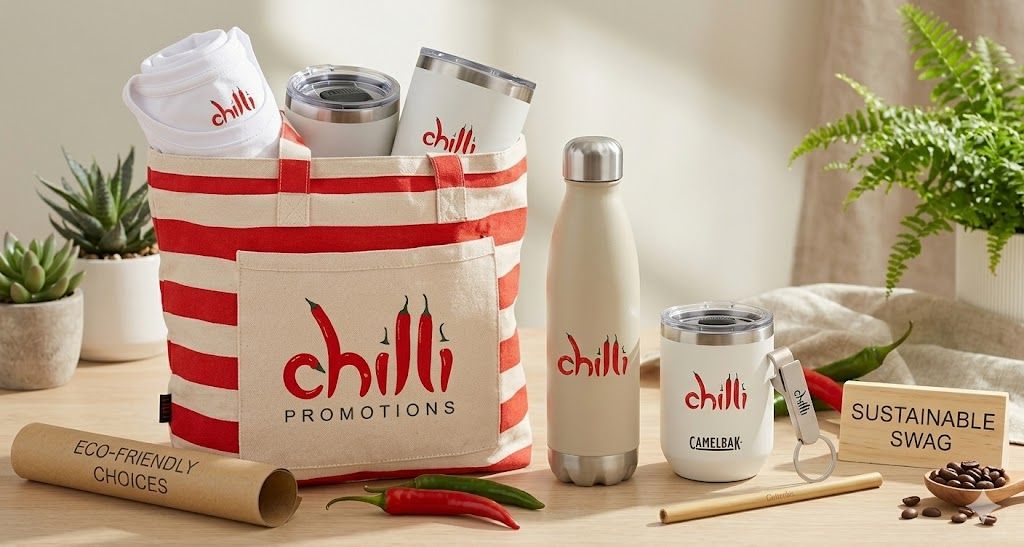
The top corporate giveaway products curated by Chilli Promotions are selected for daily utility, brand longevity, and sustainability credentials. Each product comes with transparent pricing, local account support, and clear dispatch timelines. For marketing professionals planning 2026 campaigns, the full promotional products range covers every major category, from eco-friendly gifts to tech essentials and branded apparel. Get in touch with the Chilli Promotions team to align your next campaign with the standards your clients and procurement teams now expect.
FAQ
What are the biggest promotional merchandise trends in 2026?
The leading trends are sustainability with verified credentials, retail-quality product standards, and minimalist branding techniques such as tonal embroidery and laser engraving. Tech essentials, insulated drinkware, and organic apparel are the dominant product categories.
Why do sustainability credentials matter for promotional merchandise?
Government and large enterprise tenders now require documented Supplier Environmental Sustainability Plans and supply chain transparency. Brands without verified credentials risk losing tenders and damaging their reputation with procurement teams.
How does minimalist branding improve promotional merchandise ROI?
Subtle branding such as tonal embroidery and laser engraving produces items recipients choose to keep and use daily. Daily use generates consistent brand impressions over months or years, delivering far greater return than a disposable item used once.
What is the “Temu Effect” in promotional merchandise?
The “Temu Effect” describes how B2B buyers now expect the same speed, transparent pricing, and wide product range from promotional suppliers that they experience on global B2C retail platforms. Suppliers who cannot match these standards lose business to those who can.
How do I choose the right promotional products for a 2026 campaign?
Prioritise items that solve a daily problem for the recipient, carry verified sustainability credentials, and feature restrained branding on quality materials. Promotional products ROI data shows that utility and quality consistently outperform novelty and volume.