TL;DR:
- Diversity inclusion branded merchandise visibly represents diverse identities, supports ethical sourcing, and generates social impact.
- Effective programs align with frameworks like the Indigenous Design Charter and involve genuine stakeholder engagement from the start.
Diversity inclusion branded merchandise is defined as custom promotional products that visibly represent diverse identities, support ethical sourcing, and embed social impact into everyday corporate spend. In Australian corporate settings, this category goes well beyond printing a rainbow logo on a tote bag. The most effective programmes align with frameworks such as the Australian Indigenous Design Charter and Social Traders certification, ensuring that every product ordered reflects genuine organisational values. With labour force participation sitting at 53.4% for Australians with disability compared to 84.1% for those without, the procurement decisions your organisation makes carry real social weight. Chilli Promotions has worked with Australian organisations since 2001 to turn branded merchandise budgets into measurable inclusion outcomes.
What are the core principles of diversity inclusion branded merchandise?
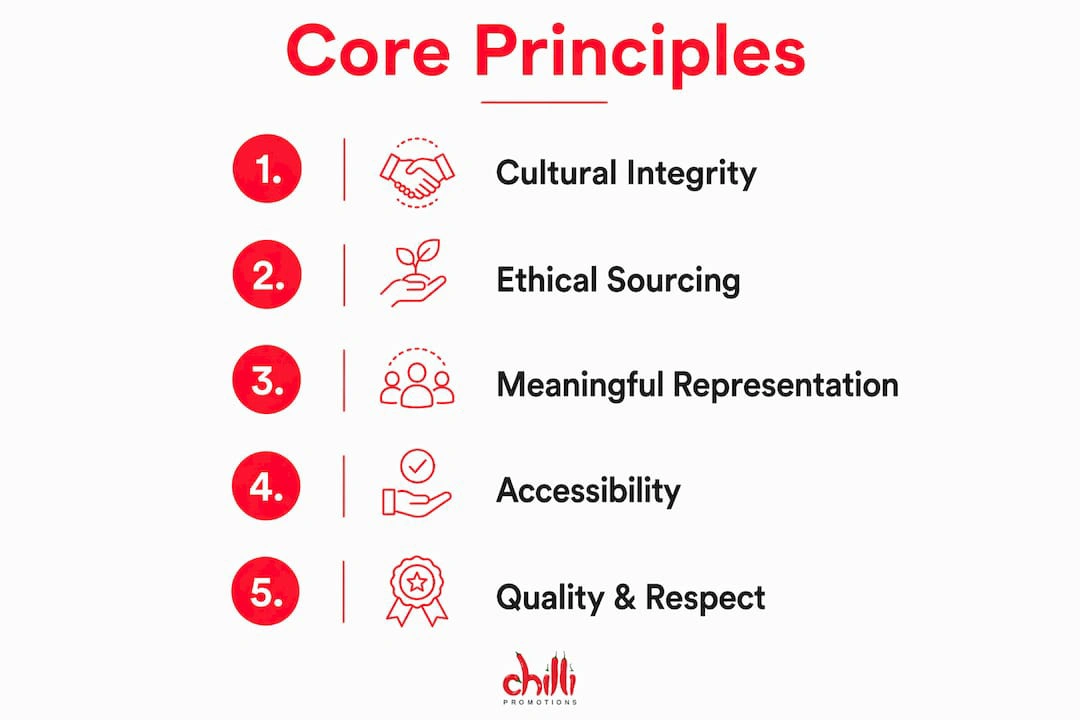
Inclusive promotional products rest on three principles: cultural integrity, ethical sourcing, and meaningful representation. Each principle shapes every decision from product selection through to delivery.
Cultural integrity means engaging with Indigenous and diverse communities at the start of a project, not at the approval stage. The Design Institute of Australia’s Indigenous Design Charter mandates this early engagement to protect cultural knowledge and ensure collaboration is genuine. Organisations that skip this step risk producing merchandise that communities find offensive, regardless of intent.
Ethical sourcing means choosing suppliers whose employment practices actively include disadvantaged Australians. Social Traders Certified enterprises, for example, employ neurodivergent workers, Indigenous Australians, and long-term unemployed people as a core part of their business model. When your merchandise budget flows to these suppliers, it creates structured employment infrastructure rather than simply buying products.
Meaningful representation means the design itself reflects the communities it honours. This is the difference between tokenism and authentic inclusion. The benefits of getting this right are concrete:
- Brand authenticity: Customers and employees recognise when inclusion is genuine, and it builds lasting trust.
- Employee engagement: Staff from diverse backgrounds feel seen when their identities are reflected in organisational materials.
- ESG compliance: Documented social procurement outcomes contribute directly to Environmental, Social, and Governance reporting.
- Community support: Royalties paid to Indigenous artists and wages paid to disadvantaged workers create lasting financial benefit.
- Audience connection: Merchandise that reflects shared values resonates more deeply than generic branded gear.
Pro Tip: Brief your supplier on your organisation’s diversity and inclusion goals before discussing product categories. The right supplier will shape product recommendations around those goals, not the other way around.
How to plan and choose effective inclusive promotional products
Product selection is where good intentions either hold up or fall apart. The right inclusive promotional products share two qualities: daily utility and cultural relevance.
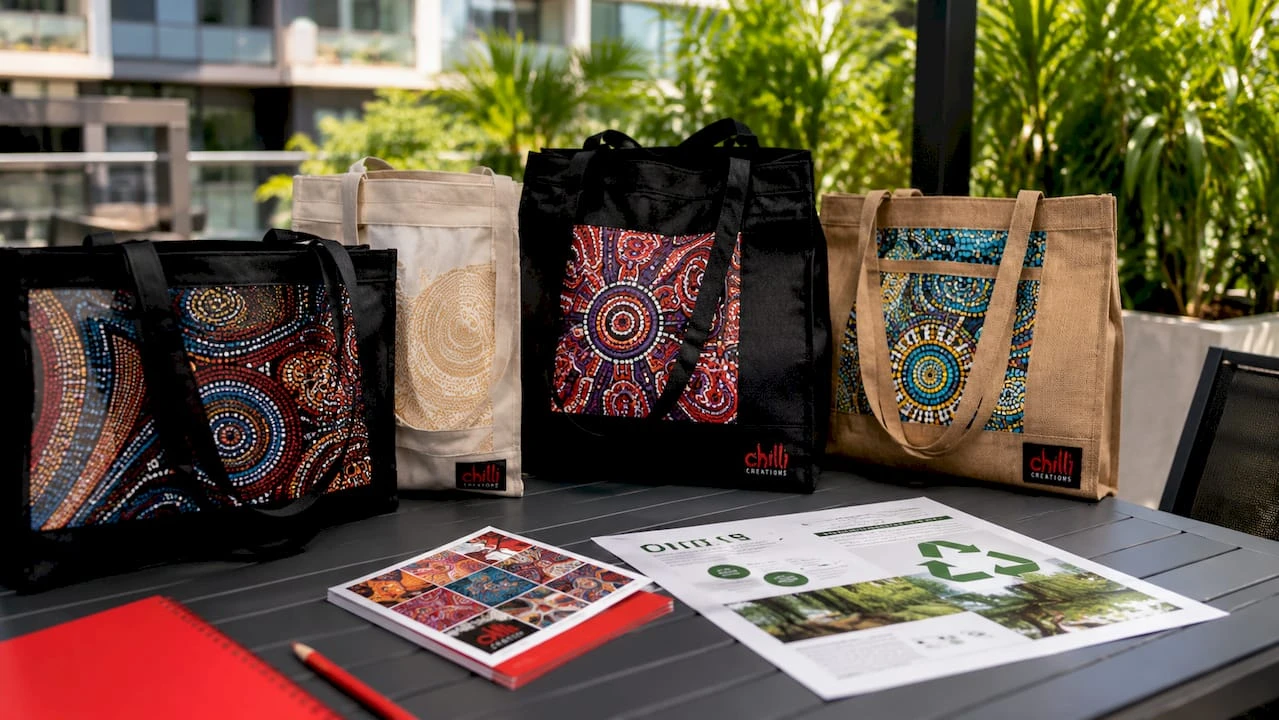
Eco-friendly tote bags made from recycled materials carry cultural symbols effectively and align with sustainability values that many community and government campaigns prioritise. Reusable items such as insulated drink bottles, notebooks, and metal pens suit corporate audiences because they are used repeatedly, keeping your message visible. Lanyards are a practical choice for NAIDOC Week events, worn throughout the day and seen by everyone in the room.
Accessibility matters in product design, not just in workplace policy. Consider whether packaging can be opened by someone with limited dexterity, whether text size is legible for people with low vision, and whether product colours work for people with colour blindness. These details signal that inclusion extends to the product experience itself.
Avoiding tokenism requires balancing quality with cultural symbolism. A poorly printed design on a cheap product sends the opposite message to the one intended. Quality and functionality in promotional items enhance their impact, ensuring brand messages are seen and valued regularly. The table below outlines product categories suited to different inclusion contexts.
| Product category | Best use context | Key consideration |
|---|---|---|
| Eco tote bags | Community events, NAIDOC Week | Recycled or organic material preferred |
| Custom lanyards | Conferences, staff ID, awareness days | Cultural symbol placement and colour accuracy |
| Insulated drink bottles | Corporate gifting, staff recognition | Durable, accessible lid design |
| Notebooks | Onboarding kits, training programmes | FSC-certified paper where possible |
| Branded apparel | Uniforms, team events | Size inclusivity across the full range |
Plan your timeline carefully. Culturally significant items such as NAIDOC Week merchandise require at least 3–4 weeks from briefing to delivery, with typical minimum order quantities of 50–100 units for custom lanyards. Build that lead time into your campaign calendar from the outset.
Pro Tip: Request physical samples before approving a full production run. Colour accuracy on cultural symbols is non-negotiable, and a sample prevents costly reprints.
What are the ethical and legal considerations when using Indigenous art?
Australian copyright law is clear: commissioning Aboriginal artwork does not transfer reproduction rights to the commissioning organisation. Artist copyright is retained by the creator unless a formal licence agreement is signed. That agreement must specify the permitted usage, duration of the licence, and royalty structure. Many organisations assume a one-off payment covers all future use. It does not.
The consultation process required by the Australian Indigenous Design Charter goes beyond a single approval email. It involves:
- Engaging Indigenous stakeholders at the project briefing stage, before any design work begins.
- Seeking feedback from community representatives, not just the individual artist.
- Documenting the consultation process to demonstrate cultural due diligence.
- Reviewing designs with stakeholders again before final production approval.
Proper placement and precise PMS colour matching of the Aboriginal Australia flag on merchandise is mandatory. The flag must never appear on products that touch the ground, such as shoe soles or floor mats. Placement on items like bags, bottles, and apparel is appropriate when the flag is positioned with dignity and the colours are reproduced accurately.
Commissioning Aboriginal artwork without a copyright licence does not confer reproduction rights. Ethical licensing agreements include cultural controls and fair compensation models that protect both the artist and the organisation using the work.
The risk of cultural appropriation is real and reputational damage moves quickly. Organisations that build genuine partnerships with Indigenous artists and communities, supported by formal licence agreements and documented consultation, protect themselves legally and build authentic brand credibility. Brand identity design that incorporates cultural elements requires the same rigour as any other intellectual property agreement.
How can sourcing from certified social enterprises enhance inclusion?
Inclusion-focused procurement transforms a common spend category into measurable social impact without requiring an organisational policy overhaul. Social Traders certification is the recognised standard in Australia for identifying enterprises that employ disadvantaged people as their primary purpose. Certified enterprises are independently assessed against social impact criteria, giving procurement teams confidence that the employment claims are verified.
The employment outcomes from certified social enterprises are specific and significant. One Social Traders Certified enterprise in the merchandise space employs 100% first-time workers, with 35% of its workforce identifying as Indigenous Australian. Directing merchandise spend to suppliers like this turns a routine budget line into structured employment infrastructure for people who face the greatest barriers to work.
Social procurement partnerships also strengthen ESG reporting. When your organisation can document that branded merchandise was produced by a certified social enterprise employing disadvantaged Australians, that outcome is reportable against social procurement targets and inclusion KPIs. Supply chain diversity embeds inclusion deeply into corporate accountability frameworks, not just into communications campaigns.
Practical steps for identifying certified partners include:
- Searching the Social Traders directory for certified enterprises in the merchandise and print category.
- Asking potential suppliers for their Social Traders certificate number and verification date.
- Requesting an impact report showing employment outcomes for the most recent financial year.
- Including social procurement criteria in your supplier briefing documents and tender evaluations.
What practical steps should Australian organisations follow to implement this?
A clear process prevents the most common failures in inclusion merchandise programmes: rushed timelines, inadequate consultation, and unmeasured outcomes.
- Define your inclusion objective. Decide whether the merchandise supports a specific campaign (NAIDOC Week, Pride Month, Disability Awareness Day) or an ongoing workplace inclusion programme. The objective shapes every subsequent decision.
- Engage stakeholders early. Bring Indigenous advisers, diversity and inclusion leads, and community representatives into the briefing before any design work begins. This is the requirement of the Australian Indigenous Design Charter, and it produces better outcomes.
- Select your supplier against inclusion criteria. Prioritise Social Traders Certified enterprises or suppliers with documented ethical sourcing practices. Check whether they hold relevant certifications and request evidence of social impact outcomes.
- Brief the design with cultural guidance. Provide the designer with consultation notes, approved colour references, and placement guidelines. For Indigenous art, confirm the licence agreement is in place before briefing commences.
- Allow adequate production time. Build a minimum of 3–4 weeks into the schedule for culturally significant items. Add buffer time for stakeholder design review and sample approval.
- Plan order quantities. Minimum order quantities for custom cultural merchandise typically start at 50–100 units. Align quantities with your audience size and distribution plan.
- Measure and report outcomes. Document the social enterprise used, employment outcomes generated, and cultural consultation completed. Report these against your ESG and social procurement targets.
The role of merchandise in marketing extends well beyond brand visibility when inclusion is the objective. Merchandise becomes evidence of organisational values, not just a vehicle for a logo.
The Chilli Promotions team’s view on authentic inclusion through merchandise
The most common mistake we see is organisations treating inclusion merchandise as a communications exercise rather than a procurement decision. A beautifully designed tote bag with an Indigenous artwork print means very little if the supplier employs no Indigenous people, pays no royalties to the artist, and sources from overseas factories with no social accountability. The product looks right. The process behind it does not.
Genuine inclusion through merchandise requires you to ask harder questions of your supply chain than you might be used to. Who made this? Who benefits financially? Was the cultural knowledge used in this design compensated fairly? These are not difficult questions to answer when you work with the right partners. They are, however, questions that many organisations avoid because the answers require changing suppliers or paying more per unit.
The organisations that get this right treat their merchandise budget as a social impact tool. They brief suppliers on inclusion goals first and product categories second. They document consultation processes and report outcomes. They choose certified social enterprises even when a cheaper option exists. The result is merchandise that people keep, display, and talk about, because it carries genuine meaning. That is the standard worth aiming for.
— Chilli Promotions Team
How Chilli Promotions supports your inclusion merchandise programme
Chilli Promotions has partnered with Australian organisations since 2001 to develop promotional products that carry genuine meaning. For diversity and inclusion campaigns, that means sourcing from certified social enterprises, working with ethical suppliers, and guiding you through cultural consultation requirements from briefing to delivery.
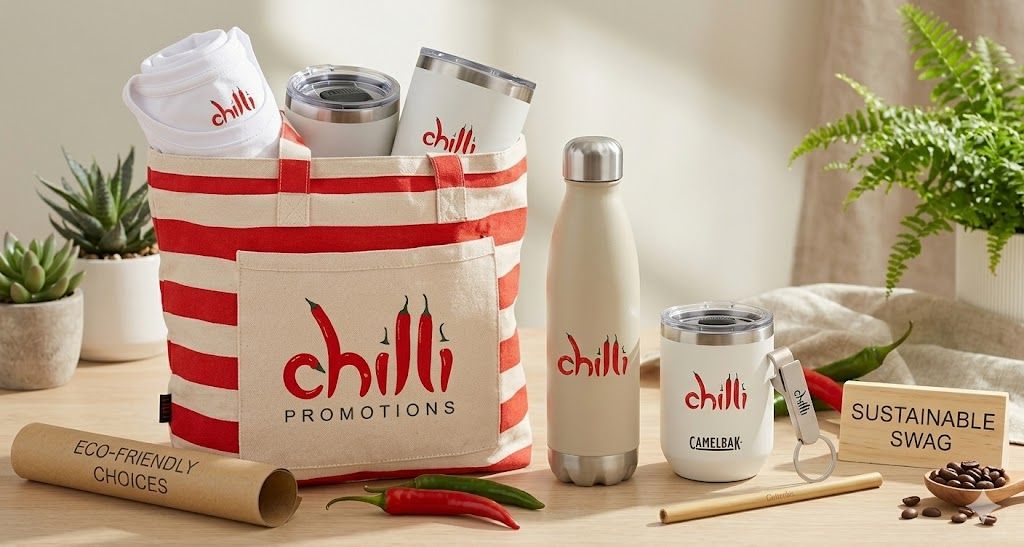
Whether you need corporate giveaways for a NAIDOC Week event, custom apparel for a Pride Month activation, or an ongoing staff recognition programme that reflects your inclusion values, Chilli Promotions can match the right products to your objectives. Our team helps you plan timelines, meet minimum order requirements, and select eco-friendly options that align with your sustainability commitments. Get in touch to discuss your next inclusion merchandise campaign. →
Key takeaways
Diversity inclusion branded merchandise delivers genuine social impact only when cultural integrity, ethical sourcing, and meaningful representation are built into the procurement process from the start.
| Point | Details |
|---|---|
| Copyright requires a formal licence | Commissioning Indigenous art does not transfer reproduction rights; a signed licence specifying usage, duration, and royalties is mandatory. |
| Engage stakeholders at briefing stage | The Australian Indigenous Design Charter requires community consultation before design work begins, not at the approval stage. |
| Social enterprise sourcing creates employment | Social Traders Certified suppliers employ disadvantaged Australians, turning merchandise spend into documented social impact. |
| Plan for 3–4 week lead times | Culturally significant items require minimum 3–4 weeks from briefing to delivery, with MOQs typically starting at 50–100 units. |
| Report outcomes against ESG targets | Document supplier certifications, employment outcomes, and consultation processes to support social procurement reporting. |
Perspective on what actually separates good from great inclusion merchandise
The gap between organisations that do this well and those that do not comes down to one question: is inclusion built into the procurement decision, or added on top of it? Organisations that embed inclusion criteria into supplier selection, timeline planning, and impact measurement produce merchandise that communities respect. Those that treat it as a design brief produce merchandise that communities see through. The awareness-building potential of well-executed inclusion merchandise is significant, but only when the process behind the product is as considered as the product itself.
— Chilli Promotions Team
FAQ
What is diversity inclusion branded merchandise?
Diversity inclusion branded merchandise is custom promotional products designed to represent diverse identities, support ethical sourcing, and create measurable social impact through responsible procurement. It includes items such as eco-friendly tote bags, custom lanyards, and branded apparel produced in partnership with certified social enterprises or Indigenous artists.
Do I need a licence to use Indigenous art on merchandise?
Yes. Australian copyright law retains artist copyright unless a formal licence agreement is signed. That agreement must specify permitted usage, duration, and royalties paid to the artist.
How long does it take to produce culturally significant merchandise?
Projects involving cultural symbols such as NAIDOC Week merchandise require at least 3–4 weeks from briefing to delivery, with minimum order quantities typically starting at 50–100 units for custom items.
What is a Social Traders Certified enterprise?
Social Traders certification is the recognised Australian standard for enterprises that employ disadvantaged people as their primary purpose. Certified suppliers are independently assessed, giving procurement teams verified evidence of social impact outcomes.
How does inclusion merchandise support ESG reporting?
Documented social procurement outcomes, including supplier certifications, employment data, and cultural consultation records, contribute directly to Environmental, Social, and Governance reporting and social procurement KPIs.