
The term "sustainable promotional products" is used, and misused, constantly in the branded merchandise industry. Some suppliers apply it to anything made from natural materials. Others attach it to any product that isn't conventional virgin plastic. A growing number use it as a marketing label with no verifiable substance behind it.
This guide is a plain-English framework for Australian procurement managers, marketing teams, and sustainability officers who need to make informed decisions about eco friendly promotional products, and who need to defend those decisions to internal stakeholders, ESG reporting teams, and external auditors.
What Makes a Promotional Product Truly Sustainable?
A sustainable promotional product needs to perform well across four dimensions:
- Material sustainability — what the product is made from
- Supply chain transparency — how it was manufactured
- Carbon footprint — the emissions generated in production and delivery
- End-of-life — what happens when the product is used up or discarded
Most suppliers in the promotional products industry address only dimension 1. Suppliers with credible sustainability credentials address all four.
Dimension 1: Material Sustainability
Materials are the most visible sustainability credential and the most commonly communicated. Here's how to evaluate them:
Renewable Natural Materials
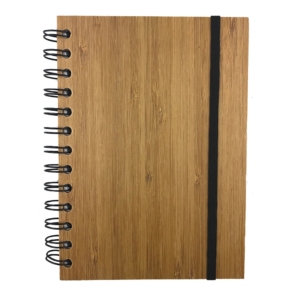
Bamboo, wheat straw, sugarcane (bagasse), cork, and organic cotton all derive from rapidly renewable natural sources. Their sustainability credentials depend on how they're grown and processed. Look for FSC certification for bamboo, GOTS certification for organic cotton, and ABA or EN 13432 certification for compostable bagasse products.
Recycled Materials
Recycled PET (rPET), recycled aluminium, and recycled polypropylene reduce demand for virgin petroleum-derived or energy-intensive primary materials. Third-party certification through the Global Recycled Standard (GRS) or Recycled Claim Standard (RCS) confirms the recycled content percentage and chain of custody.
Durable Materials
Stainless steel and borosilicate glass aren't "eco" in the traditional sense, as their production generates significant emissions. Their durability is their sustainability argument: a stainless steel bottle used daily for 5 years replaces thousands of single-use alternatives, generating a dramatically lower per-use environmental footprint over its lifecycle. Our eco-friendly promotional drinkware range covers stainless steel, bamboo, rPET, and wheat straw options.
Materials to Be Sceptical Of
- "Biodegradable" plastic: Most biodegradable plastics require specific industrial composting conditions that are rarely available in practice. Without verified composting certification (AS 4736 or EN 13432), "biodegradable" is often meaningless.
- Unverified bamboo: Bamboo fibre fabric, often used in clothing, involves significant chemical processing. FSC certification for the raw material is the baseline.
- "Natural" materials without certification: Unverified "natural" material claims are not the same as certified sustainability credentials.
Dimension 2: Supply Chain Transparency
A product can be made from an excellent material but manufactured in conditions that undermine any sustainability claim. Supply chain transparency means the supplier can demonstrate:
- Ethical labour practices: Look for Sedex membership or SMETA auditing, which provides third-party verification of ethical supply chain practices including fair wages, safe working conditions, and prohibition of child or forced labour.
- Factory-level environmental standards: ISO 14001 (Environmental Management System) certification demonstrates that the factory has documented environmental management processes. ISO 9001 indicates quality management systems.
- Country of origin transparency: Most promotional products are manufactured in China. A supplier that's transparent about this, and can demonstrate factory-level auditing, is more trustworthy than one that obscures origin.
Chilli Promotions holds Sedex membership and BSI ISO 9001, 14001, and 45001 certifications. Our EcoVadis Silver 2023 rating verifies our overall sustainability performance across our supply chain. We're transparent about our manufacturing partners and can provide audit documentation for enterprise procurement processes.
Dimension 3: Carbon Footprint and Offsetting
Every promotional product generates carbon emissions, in raw material extraction, manufacturing, packaging, and shipping. A sustainable supplier measures these emissions and takes verified action to address them.
The gold standard for promotional products is a verified, product-level carbon calculation methodology, with emissions offset through a recognised standard (Gold Standard, VCS/Verra, or ACCUs). Offsets should be retired on a public registry with documentation available to buyers.
Chilli Promotions is the world's first promotional products company to apply 100% carbon offsetting to every product we supply, verified by NoCO2 (Carbon Reduction Institute of Australia). This is included in the product price, not charged as a separate surcharge. Read our full explainer on what carbon-neutral actually means for promotional products →
Dimension 4: End-of-Life
What happens to a promotional product at the end of its useful life? This dimension is most commonly ignored but increasingly scrutinised by sophisticated buyers:
- Recyclable: Stainless steel, aluminium, glass, and PET are all recyclable through existing Australian systems. Recyclability is meaningful only if the recipient recycles, so include recycling instructions in branded packaging or on the product itself.
- Compostable: Bagasse (sugarcane), some plant-based plastics, and seed paper are compostable, but only under industrial composting conditions. If industrial composting isn't available to the end recipient, compostability claims are misleading.
- Biodegradable: Use this term carefully. Most "biodegradable" claims for plastics require specific conditions. Natural materials (bamboo, wood, cork, cotton) do biodegrade, but their rate depends heavily on disposal conditions.
- Durability: The most underrated end-of-life credential. A product that lasts 5 years defers its end-of-life by 5 years and displaces many single-use alternatives in the interim.
Certifications That Matter
The following certifications are worth specifying in your promotional products brief:
| Certification | What It Verifies | Relevant For |
|---|---|---|
| NoCO2 / Carbon Reduction Institute | Carbon offset calculation and retirement | Carbon-neutral claims |
| FSC (Forest Stewardship Council) | Responsible forestry / bamboo sourcing | Bamboo, wood, paper products |
| GRS (Global Recycled Standard) | Verified recycled content % and chain of custody | rPET, recycled aluminium, recycled fabric |
| GOTS (Global Organic Textile Standard) | Organic fibre certification for textiles | Organic cotton tote bags, apparel |
| Sedex / SMETA | Ethical supply chain audit (labour, environment, health & safety) | Supply chain due diligence |
| EcoVadis | Supplier sustainability performance rating | Enterprise procurement due diligence |
| BSI ISO 14001 | Environmental management system at supplier/factory level | Factory-level environmental practices |
| ABA / EN 13432 / AS 4736 | Industrial compostability for biodegradable products | Sugarcane, PLA, compostable packaging |
| BPA-free / LFGB / FDA food contact | Food safety for drinkware and food-contact products | All drinkware |
"The capability of the range to also be carbon offset aligns well with the VRC commitment to sustainability."— Tim Howell, Club Loyalty Executive, Victorian Racing Club
How to Brief a Supplier for Sustainable Promotional Products
Include these requirements in your brief when requesting quotes for sustainable promotional products:
- Material and certification requirements (e.g., "rPET with GRS certification, minimum 50% recycled content")
- Carbon offset requirement (e.g., "carbon-offset certification required with offset documentation for ESG reporting")
- Supply chain audit requirement (e.g., "Sedex membership or SMETA audit required for factory")
- End-of-life instruction inclusion (e.g., "recyclable product — require recycling instructions on branded packaging")
- ESG documentation format (certificate numbers, registry references, PDF documentation)
A supplier who cannot provide these details for their standard eco product range is likely making unverifiable sustainability claims. Common product categories to apply these criteria to include branded tote bags, eco notebooks and journals, and drinkware. For a structured evaluation tool, use our 10-point eco promo checklist before finalising any brief.
The Chilli Promotions Sustainable Products Framework
Every product in our eco range comes with:
- ✅ Verified material certifications (FSC, GRS, LFGB, BPA-free — as applicable)
- ✅ 100% carbon offset (NoCO2 certified) — documentation available
- ✅ Sedex supply chain membership
- ✅ EcoVadis Silver 2023 supplier rating
- ✅ BSI ISO 9001 / 14001 / 45001 certification
We can provide full documentation packages for enterprise ESG reporting requirements. For guidance on order sizing, our MOQ guide explains minimum order quantities across our product range. Contact our team to discuss your reporting requirements.
Frequently Asked Questions
🌿 Shop Certified Sustainable Promotional Products from Chilli Promotions


Chilli Promotions holds NoCO2 Carbon Neutral Product certification, EcoVadis Silver 2023, Sedex membership, and BSI ISO 9001/14001/45001. We've supplied branded merchandise to Australian businesses for over 20 years.
