TL;DR:
- Branded accessories appeal to car buyers by offering a sense of control and a chance for personal expression during purchase.
- Quality design and durability communicate brand values and foster lasting emotional connections with consumers.
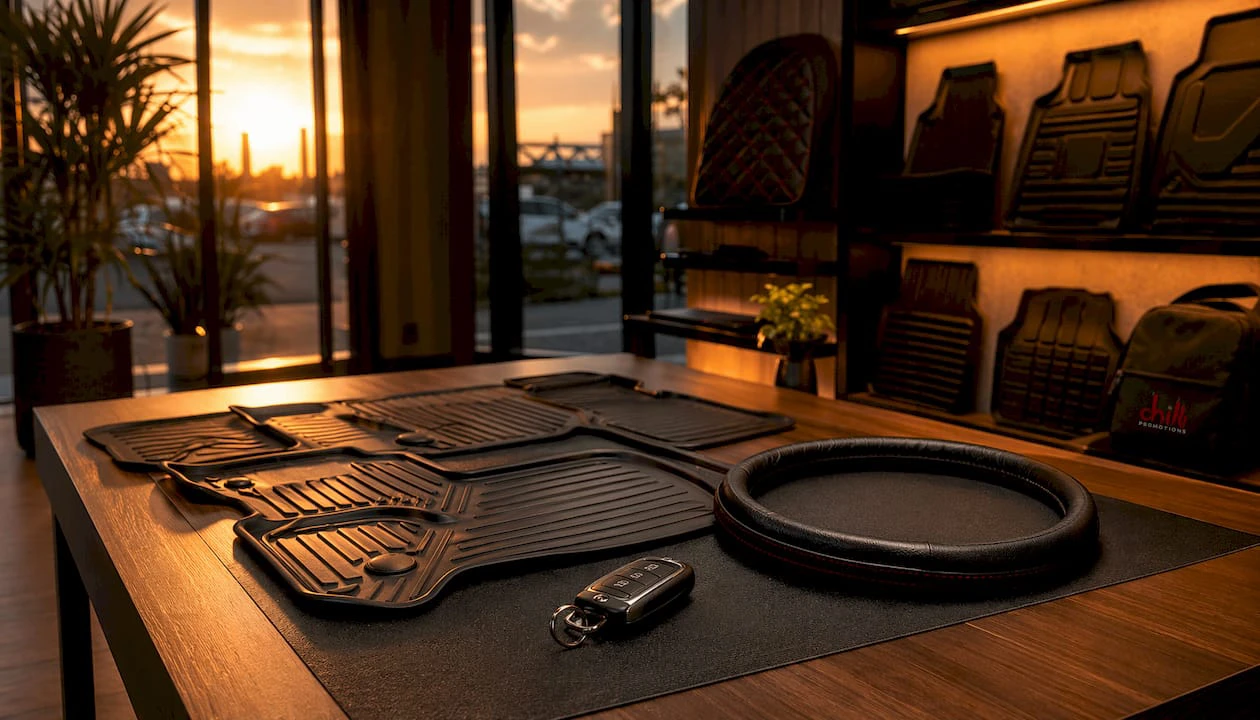
Branded accessories attract car buyers because they satisfy two fundamental needs at once: the desire for personal expression and the need to feel in control of a major purchase. A 2017 ACCC survey found that a significant portion of new car buyers considered accessories during purchase, with high-end buyers more likely to do so. Meanwhile, the 2025–2026 APPA research shows that a large majority of branded merchandise recipients recall the brand, many proceed to purchase from it, and most share the brand with others. Quality and intentional design are what separate accessories that build brand trust from those that undermine it. In commercial sectors like trucking, branded accessories double as mobile advertising. For Australian 4×4 and ute buyers, durability in harsh conditions makes branded options the clear preference. Across all segments, accessories extend the brand relationship well beyond the showroom floor.
Why branded accessories attract car buyers psychologically
Accessories give buyers something car buying rarely offers: a genuine sense of control. Research from Insignia Group notes that consumers not only expect personalisation, they grow frustrated without it. Handing a buyer the ability to customise at the point of sale shifts the dynamic from passive transaction to active ownership.
- Self-expression: Accessories let buyers transform a mass-produced vehicle into something that reflects their personality, lifestyle, and values.
- Identity reinforcement: Social identity theory links brand identification directly to aftermarket spending, with buyer satisfaction acting as a key moderator.
- Emotional attachment: Brand love in automotive contexts drives willingness to pay more, positive word-of-mouth, and resistance to negative brand information.
- Australian culture: The ute, the 4×4, and the tradesperson’s van are cultural fixtures. Accessories tied to these vehicles carry social meaning beyond function.
Chilli Promotions has built its approach around this insight: branded merchandise that genuinely connects with a buyer’s identity creates loyalty that outlasts the purchase.
Does quality and design intentionality change buyer perception?
Yes, and the APPA 2025 research is direct about it: the quality and intentionality of branded merchandise communicates brand values whether the brand intends it to or not.
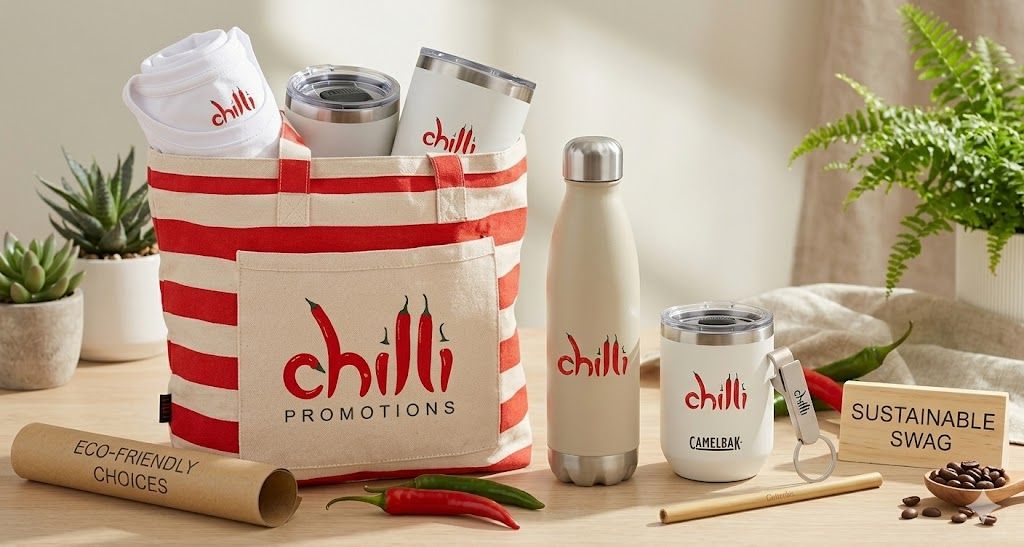
- Design-led choices signal credibility. A well-chosen, sustainably sourced accessory tells buyers the brand pays attention to detail.
- Poor quality does the opposite. A cheap, cluttered item actively damages brand perception among buyers who are already making judgements.
- Functional items earn daily exposure. A branded umbrella or cargo organiser gets used repeatedly, keeping the brand present in the buyer’s everyday life.
- Sustainability matters to modern buyers. Buyers increasingly favour accessories made from recycled or certified materials, and brands that reflect this earn trust faster.
Pro Tip: Choose accessories that solve a real problem for the buyer. Utility drives recall, and recall drives loyalty.
How branded accessories work in commercial and trucking sectors
In the commercial vehicle world, branded accessories serve a purpose that goes beyond personal taste. Fleet operators and owner-drivers use them to project professionalism and reinforce brand presence on the road.
- Mobile billboard effect: A well-branded truck cab or fleet vehicle turns every kilometre into advertising, reaching audiences no digital campaign can replicate.
- Driver satisfaction: Fleet research confirms that branded aesthetic and functional enhancements improve driver satisfaction and pride in their vehicle.
- Durability as a non-negotiable: Commercial buyers demand accessories built to last. Branded options from trusted suppliers carry the reliability assurance that generic parts often cannot match.
The same logic applies to mainstream buyers. When a brand’s accessories perform reliably in demanding conditions, that reputation flows back to the vehicle itself.
Branded versus generic aftermarket accessories: what Australian buyers prefer
The choice between branded and generic accessories comes down to context, not a blanket rule.
- Warranty protection: Genuine accessories are covered by manufacturer warranty; aftermarket parts often are not, and a fault caused by a non-genuine part can void the vehicle warranty entirely.
- Variety and price: Generic aftermarket options offer wider choice and lower prices for aesthetic items like floor mats and weather shields, where warranty risk is minimal.
- Harsh conditions: Australian 4×4 and utility buyers consistently prefer branded accessories for durability in outback and off-road conditions, where failure is not an option.
- Residual value: RAC Australia notes that dealer-fitted accessories do not typically increase a vehicle’s used-market value. Buyers should weigh the emotional and practical benefits against resale expectations.
- Financing convenience: Dealer accessories can be rolled into the vehicle purchase price, spreading the cost across repayments, though this raises the total amount financed.
How brand storytelling and promotional strategy lift accessory appeal
Accessories become powerful when they carry a story. Marketing research shows that accessories extend the brand experience long after the car leaves the dealership, creating emotional bonds and driving ongoing revenue.
- Storytelling builds identity. A branded accessory that connects to a lifestyle narrative, adventure, reliability, or craftsmanship, gives buyers something to believe in beyond the product itself.
- The phygital effect is real. APPA research shows a notable share of recipients visit a brand’s website or social media after receiving a physical branded item. Physical accessories drive digital engagement.
- Point-of-sale personalisation builds early trust. Presenting accessory options during the purchase process gives buyers control and reduces the friction that often accompanies a high-stakes transaction.
- Word-of-mouth amplification: Buyers who personalise their vehicles talk about it. Social proof and brand credibility are among the strongest psychological drivers in automotive aftermarket decisions.
Chilli Promotions works with automotive brands to develop promotional merchandise that bridges this physical-digital gap, turning a branded accessory into a lasting touchpoint. Understanding the full range of automotive branded merchandise available helps brands choose items that genuinely resonate. The psychology of colour and visual design also plays a measurable role in how buyers respond to branded accessories at the point of sale.
Ready to make your brand part of every drive? Chilli Promotions designs branded merchandise that car buyers actually want to keep. Explore our corporate giveaway range to find accessories that build loyalty from the first handshake.
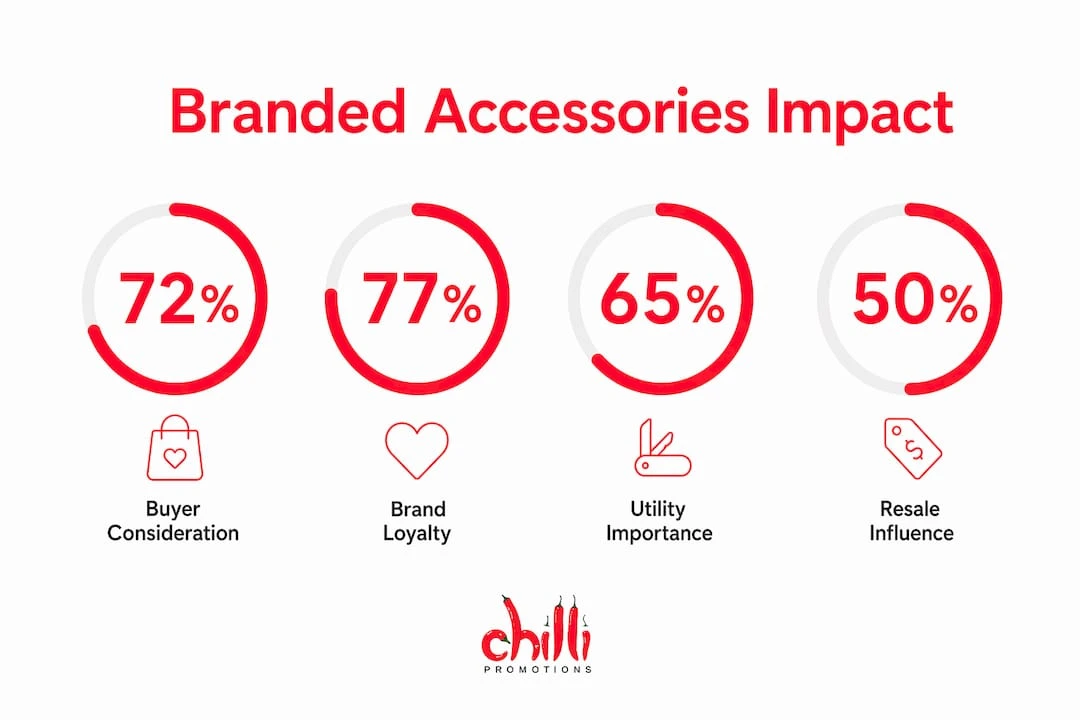
Key takeaways
Branded accessories attract Australian car buyers by combining personal expression, quality design, and emotional brand connection into a single tangible product.
| Point | Details |
|---|---|
| Buyer consideration rate | a significant portion of new car buyers consider accessories during purchase, with high-end buyers most likely to do so. |
| Branded merchandise recall | 81% of recipients recall the brand; 84% tell others, per APPA 2025–2026 research. |
| Quality signals brand values | APPA confirms that design-led, well-made accessories communicate positive brand values directly. |
| Warranty and resale trade-offs | Genuine accessories carry manufacturer warranty protection but do not typically boost used-market residual value. |
| Phygital bridge | A notable share of branded merchandise recipients visit the brand’s digital channels after receiving a physical item. |
FAQ
Why do branded accessories influence car purchase decisions?
Branded accessories give buyers a sense of control and personal expression during a high-stakes purchase. The ACCC found 43% of new car buyers consider accessories, with the effect strongest among buyers of higher-priced vehicles.
Do branded accessories improve a car’s resale value?
Generally, no. RAC Australia notes that dealer-fitted accessories depreciate faster than the vehicle itself, and buyers in the used-car market tend to value the model over individual extras.
How do branded accessories build long-term brand loyalty?
Accessories extend daily brand contact beyond the showroom. APPA research shows 77% of branded merchandise recipients purchase from the brand again, and 84% recommend it to others.
Are genuine accessories always better than aftermarket options?
For items affecting vehicle function and safety, genuine accessories offer manufacturer warranty protection that aftermarket parts typically do not. For purely aesthetic items, aftermarket options often provide better value and wider choice.
What makes a branded accessory effective for Australian car buyers?
Durability, utility, and design intentionality. Australian buyers, particularly in the 4×4 and commercial sectors, pay a premium for accessories proven to perform in demanding local conditions.