TL;DR:
- Motorsport promotional merchandise includes branded items distributed at races to enhance fan loyalty and brand visibility. High-utility products like apparel and drinkware generate long-lasting impressions and drive digital engagement through embedded QR codes. Prioritizing quality and sustainability strengthens brand reputation and maximizes campaign impact.
Motorsport promotional merchandise is defined as branded physical products distributed at or around racing events to build fan loyalty, increase brand visibility, and create lasting impressions beyond the circuit. The industry term used by the Australasian Promotional Products Association (APPA) is “promotional merchandise,” and it covers everything from custom apparel and drinkware to collectibles and branded accessories. For event planners and marketers in motorsport, understanding what is motorsport promotional merchandise means recognising it as a core marketing channel, not a secondary expense. APPA research confirms that 55% of Australian recipients keep promotional items for more than 12 months. That retention rate turns a single product into a year-long brand impression.
What is motorsport promotional merchandise and why does it matter?
Motorsport promotional merchandise covers any branded item produced for a racing event, team, sponsor, or driver that serves a marketing purpose. This includes fan gear for motorsport events such as caps, T-shirts, and jackets, as well as sponsor-branded items like drinkware, tote bags, phone holders, and stickers. The distinction from general retail merchandise is intent: promotional items are designed to generate awareness and emotional connection, not primarily to generate direct revenue.
The motorsport context makes this category particularly powerful. Fans at events like the Australian Grand Prix or Supercars Championship rounds are already emotionally invested. A well-chosen branded item handed to a fan at the right moment becomes a physical anchor for that experience. Research on fan purchasing behaviour shows that motorsport merchandise is shifting from functional souvenirs to essential fan engagement tools with genuine brand stewardship value.
Sponsors and teams that treat merchandise as a strategic asset, rather than a budget line item, consistently outperform those that treat it as an afterthought. The product a fan takes home carries your brand into their daily life, their social media feed, and their conversations with others.
What types of motorsport promotional items are most effective?
Apparel and headwear remain the largest category by unit sales and emotional resonance. A branded cap or polo worn trackside and then to the supermarket the following week generates impressions that no digital ad can replicate. Promotional apparel is worn an average of 7–10 times, producing repeated brand exposure from a single item.
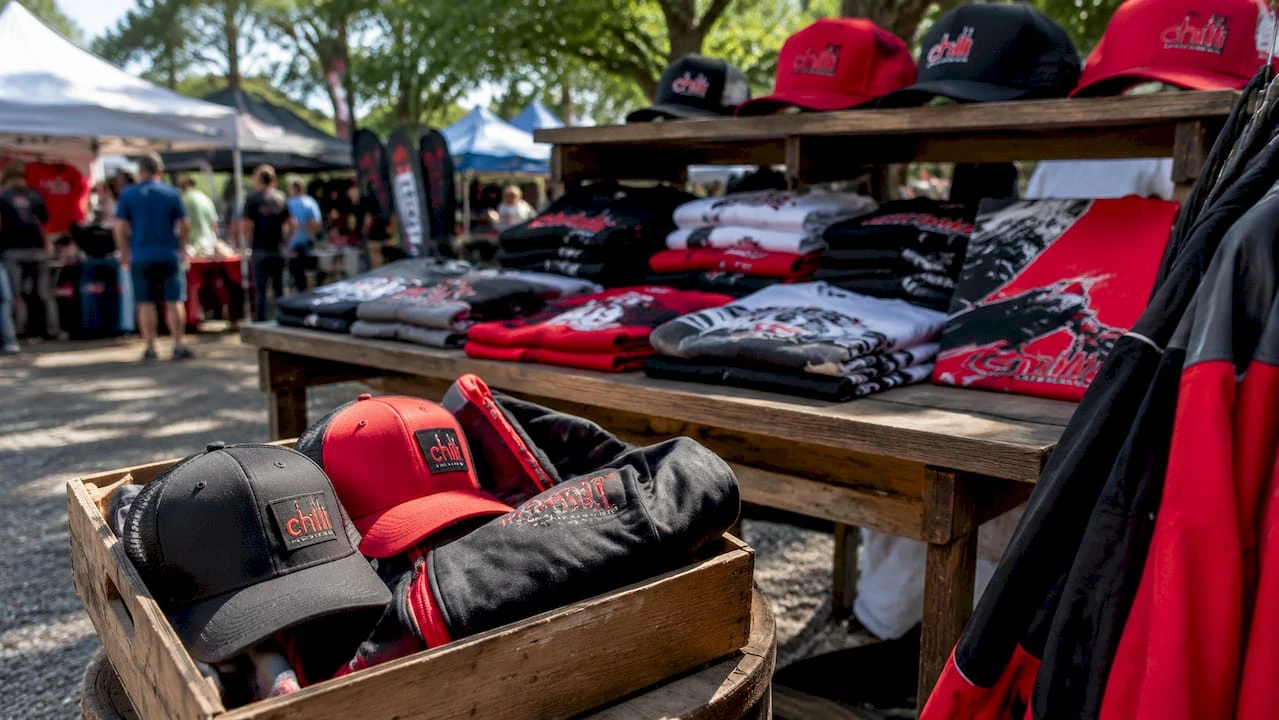
High-utility products deliver the best cost-per-impression figures. Drinkware, reusable bags, and phone accessories are used daily, keeping your brand in front of recipients long after the race weekend ends.
| Category | Key benefit | Best use case |
|---|---|---|
| Apparel and headwear | High emotional resonance, repeated wear | Fan giveaways, VIP packs, team merchandise |
| Drinkware | Daily use, low cost-per-impression | Sponsor activations, pit lane experiences |
| Bags and totes | Practical, high visibility | Entry-point giveaways, media kits |
| Collectibles and limited editions | Exclusivity, driver-fan connection | Premium fan zones, online pre-orders |
| Branded accessories | Broad appeal, low unit cost | Mass giveaways, partner activations |
Collectibles and limited-edition items serve a specialist segment. Driver-centric purchasing consistently outweighs team identification in motorsport, which means items tied to a specific driver, race, or milestone carry premium perceived value. A numbered print or a replica helmet keyring sells the story, not just the brand.
Branded accessories such as custom air fresheners, phone holders, and printed stickers round out the category. These items suit mass-distribution scenarios where budget per unit is tight but reach is the priority. Custom branded stickers are a particularly cost-effective option for high-volume event giveaways.
Pro Tip: Choose at least one item from the apparel or drinkware category for every event. These categories generate the highest number of post-event impressions and turn recipients into walking brand advocates.
How does motorsport merchandise drive marketing ROI and brand recall?
Branded merchandise delivers brand recall rates above 85% in Australia. That figure outperforms most digital advertising formats, where recall rates typically sit far lower after 24 hours. The physical nature of merchandise creates a sensory memory that a banner ad simply cannot.
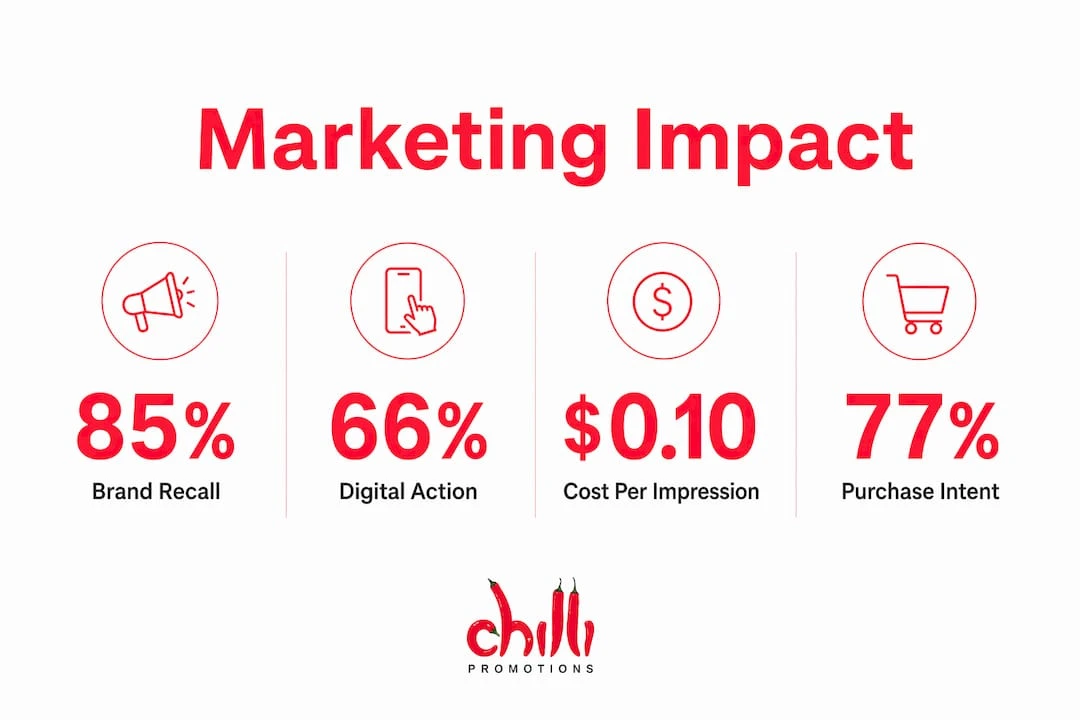
Cost-per-impression is the metric that makes promotional merchandise genuinely compelling. High-use items like drinkware and apparel can achieve a cost-per-impression as low as $0.001. That means a $10 branded drink bottle generating 10,000 impressions over its lifetime costs a fraction of a cent per brand contact.
The phygital dimension adds another layer of ROI. 66% of Australian recipients take a digital action after receiving a physical promotional item. This means a QR code on a branded product can drive social follows, email sign-ups, or competition entries, converting a one-time giveaway into an ongoing digital relationship.
For a detailed breakdown of how these numbers translate into campaign planning, the promotional products ROI guide for Australian marketers covers the full methodology.
Pro Tip: Track post-event digital engagement from QR codes on merchandise separately from other channels. This isolates the true contribution of your merchandise spend and builds the case for future budget allocation.
What activation strategies make motorsport merchandise more effective?
Generic giveaways produce generic results. Fans prefer sensory-driven, exclusive activations that mirror the sport’s lifestyle rather than a branded pen dropped in a bag. The most effective motorsport activations treat merchandise as the centrepiece of an experience, not an add-on.
Phygital activations are the most significant shift in motorsport merchandise strategy right now. Physical items embedded with QR codes or NFC tags connect fans to exclusive digital content, such as behind-the-scenes footage, driver messages, or competition entries. This approach converts a single physical touchpoint into a multi-channel engagement sequence. Integrating merchandise with CRM fan databases allows teams and sponsors to track engagement and personalise follow-up communications.
Effective activation formats at events like the Australian Grand Prix include:
- Roaming staff distributing merchandise at fan entry zones and high-traffic areas, creating spontaneous brand moments
- Pop-up activations in fan precincts where merchandise is tied to a game, challenge, or photo opportunity
- Local business partnerships that extend the brand narrative beyond the circuit into the surrounding community
- Exclusive fan zone experiences where premium merchandise is earned or purchased as part of a curated brand encounter
Strategic placement of activations at entry points and fan zones creates a connected brand experience that begins before the first car hits the track. The merchandise becomes part of the race weekend story, not a footnote.
Pro Tip: Map your merchandise distribution points against the fan journey from car park to grandstand. Every touchpoint is an opportunity to place a branded item that reinforces the event experience.
Why do quality and sustainability matter in motorsport merchandise?
Quality is not a premium option. It is the baseline requirement for merchandise that actually works. Poor-quality items damage brand perception, while well-chosen, well-made products communicate brand values and generate advocacy. A cap that falls apart after two washes tells a story about your brand that no amount of marketing spend can undo.
Sustainability is now a purchasing driver, not just a values statement. APPA research confirms that sustainably sourced, design-led promotional merchandise drives 77% higher purchase intent, 81% brand recall, and 84% advocacy compared to generic alternatives. These figures reflect a genuine shift in consumer expectations, particularly among younger motorsport fans who hold brands accountable for their environmental choices.
In 2026, sustainable merchandise options are broader than ever. Recycled-content apparel, plant-based packaging, and carbon-offset production programmes are all available at competitive price points. Choosing these options signals that your brand’s values extend beyond the circuit. For a deeper look at the business case, why sustainable merchandise matters in 2026 covers the full picture.
Pro Tip: Ask your merchandise supplier for certification documentation, such as recycled content verification or carbon-offset records. This protects your brand from greenwashing claims and gives you credible sustainability messaging for your event communications.
How can motorsport marketers maximise merchandise impact?
Aligning merchandise choices with fan demographics is the starting point. A corporate hospitality crowd responds differently to a premium insulated bottle than a general admission crowd does. Knowing your audience segments before you brief your supplier saves budget and produces better results.
Practical steps for maximising impact:
- Audit your fan demographics before selecting product categories. Age, lifestyle, and event type all influence which items generate the most post-event use.
- Prioritise high-utility items for mass distribution. Drinkware, bags, and apparel generate the most impressions per dollar spent.
- Integrate QR codes on at least one item per campaign to capture digital engagement data and build your fan database.
- Brief roaming distribution staff on the brand story behind each item. A staff member who can explain why a product was chosen creates a more memorable interaction than a passive handout.
- Set a quality floor for every item. Reject any product that you would not be comfortable wearing or using yourself.
- Review post-event data from QR scans, social mentions, and digital follow-through to measure merchandise contribution to overall campaign performance.
A promotional product checklist built for Australian marketers covers the full selection and compliance process in detail. Budget allocation should reflect the reality that a smaller quantity of high-quality items consistently outperforms a large volume of low-quality ones.
Key takeaways
Motorsport promotional merchandise delivers measurable brand recall, fan engagement, and digital conversion when products are chosen with purpose, distributed strategically, and built to a quality standard that reflects the brand.
| Point | Details |
|---|---|
| Define merchandise with intent | Promotional merchandise is a marketing channel, not a souvenir category. |
| Prioritise high-utility categories | Apparel and drinkware deliver the lowest cost-per-impression and highest repeat exposure. |
| Activate phygitally | 66% of recipients take digital action after receiving a physical item, so embed QR codes in every campaign. |
| Choose quality and sustainability | APPA data links sustainable, design-led merchandise to 84% advocacy rates among recipients. |
| Distribute strategically | Roaming staff and fan zone placements create brand moments that extend well beyond the event day. |
What we have learned from two decades of motorsport merchandise
The most common mistake we see from event planners is treating merchandise as the last item on the budget sheet. By the time the product brief arrives, the event is three weeks away, the budget is tight, and the brief is “something with our logo on it.” The result is a generic item that no one keeps, and a missed opportunity to build genuine fan connection.
The brands that get this right think about merchandise at the same time they think about the event itself. They ask: what does this item say about us? Will a fan wear this at the shops on Saturday? Does it connect to the driver, the team, or the race weekend story? These are not difficult questions, but they require asking them early.
We have also watched the sustainability conversation shift from a nice-to-have to a genuine brand risk. Younger motorsport fans notice when a brand hands out single-use plastic items at an event that claims to care about the environment. The gap between brand messaging and product choice is visible, and fans call it out. Choosing certified, recycled-content merchandise is now a basic expectation, not a differentiator.
The phygital shift is real and it is accelerating. The brands investing in QR-enabled merchandise and connecting physical items to digital fan experiences are building databases and relationships that outlast the race weekend. That is the direction the industry is heading, and the gap between early adopters and late movers is widening every season.
— Chilli Promotions Team
Chilli Promotions and motorsport merchandise for Australian events
Chilli Promotions has worked with Australian event marketers and brand managers since 2001, supplying custom promotional merchandise that is built to perform beyond the event day.
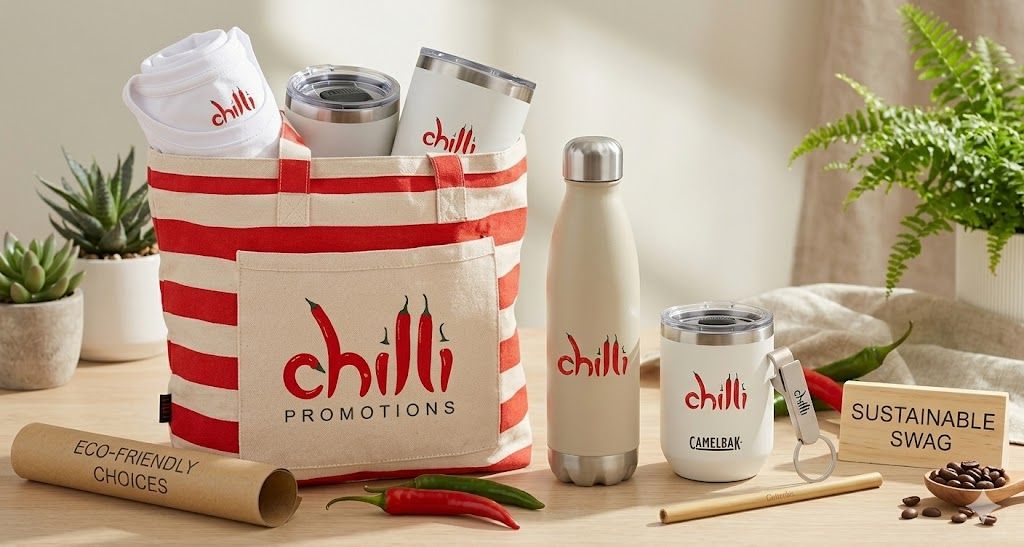
From custom branded apparel and drinkware to collectibles and phygital-ready accessories, the Chilli Promotions range covers every category relevant to motorsport event marketing. Every product is available with sustainable sourcing options and full certification documentation. The top corporate giveaway products page is a strong starting point for planners building a merchandise brief. Contact Chilli Promotions directly to discuss a tailored merchandise programme for your next event. You will notice a difference when you add Chilli.
FAQ
What is motorsport promotional merchandise?
Motorsport promotional merchandise is branded physical products, such as apparel, drinkware, and accessories, distributed at racing events to build fan loyalty and increase brand visibility. The Australasian Promotional Products Association classifies these as promotional merchandise with measurable marketing ROI.
What are the most popular examples of motorsport promotional merchandise?
The most popular categories are branded caps and T-shirts, insulated drinkware, tote bags, collectible items tied to specific drivers or races, and branded accessories such as phone holders and stickers. Apparel and drinkware consistently deliver the highest cost-per-impression value.
How does motorsport merchandise improve brand recall?
Branded merchandise delivers brand recall rates above 85% in Australia, outperforming most digital advertising formats. Physical items create sensory memories that persist long after the event, particularly when the item is used daily.
Why does sustainability matter for motorsport promotional merchandise?
APPA research links sustainably sourced, design-led merchandise to 77% higher purchase intent and 84% advocacy rates. Younger motorsport fans hold brands accountable for environmental choices, making sustainable merchandise a brand protection measure as much as a values statement.
How do phygital strategies work with motorsport merchandise?
Phygital strategies embed QR codes or NFC tags in physical merchandise to connect fans to exclusive digital content, competitions, or sign-up pages. APPA data shows 66% of Australian recipients take a digital action after receiving a physical promotional item, making this approach a reliable fan database-building tool.